Entry · Ref AOMSYO-A
The True Cost of Neglecting Commercial Kitchen Fire Safety
- Posted
- 2026-11-02
- Last amended
- 2026-11-02
- Account
- @mycommercialkitchenfirelife
I remember standing in a restaurant kitchen that had just been cited for three fire code violations. The owner was frustrated, angry even. He had spent good money on a hood suppression system and kept a fire extinguisher within reach. But the inspector pointed to grease buildup on the exhaust fan blades, a grease filter that hadn't been changed in months, and a cleaning log that was mostly blank. That moment, more than any manual, taught me how easily we confuse having equipment with actually maintaining a system. Commercial kitchen fire safety is not a checklist you fill out once. It is a daily discipline that separates a safe kitchen from a liability.
Why Grease Is the Real Enemy
In any restaurant kitchen, cooking oil gets hot. It splatters, it aerosolizes, and it travels. That invisible mist settles on every surface inside the kitchen exhaust system. Over time, it builds into a sticky, flammable layer. Grease buildup is the primary fuel for kitchen fires. A clean exhaust system can vent smoke and heat safely. One coated in grease becomes a fuse waiting for a spark.
NFPA 96 exists for exactly this reason. It sets the standard for ventilation control and fire protection in commercial cooking operations. It covers everything from the Type I hood over your cooking equipment to the exhaust fan on the roof. It tells you how often to clean, what records to keep, and what constitutes acceptable work. But NFPA 96 only works if people follow it. And too many kitchens treat it as a suggestion.
The Bare Metal Standard
One of the most practical parts of NFPA 96 is the Bare Metal Standard. It means exactly what it sounds like. After a proper hood cleaning, the interior surfaces of the exhaust system should be visible as bare metal. No residue, no greasy film, no hidden layers. This is not about aesthetics. It is about removing the fuel source so that a fire cannot sustain itself inside the ductwork.

I have seen kitchens where the hood cleaning company comes in, sprays some degreaser, wipes the visible areas, and calls it done. The owner signs off because the bill is paid and the annual inspection is still months away. But the real problem hides above the ceiling, inside the duct runs, around the fire damper, and at the exhaust fan housing. If those areas are not cleaned to bare metal, the risk remains.
Beyond the Hood: What Gets Overlooked
Most people think of the hood when they hear kitchen exhaust system. They picture the stainless steel canopy over the range. But the system extends far beyond that. The ductwork travels through walls and ceilings, sometimes making multiple turns before it reaches the roof. The exhaust fan pulls air and grease particles through that entire path. Every elbow, every joint, every transition is a place where grease can accumulate.
The fire damper is another critical point. Its job is to close automatically if a fire starts, blocking the path of flames. But if it is caked with grease, it may not close at all. Or worse, it may close but leave gaps because the grease prevents a proper seal. Regular inspection and cleaning of the fire damper is not optional. It is part of the system that keeps a fire from spreading beyond the kitchen.
Suppression Systems: Tools, Not Crutches
A hood suppression system, often an Ansul system or one certified to UL 300, is a powerful tool. When a fire ignites under the hood, the system detects the heat and releases a chemical agent that smothers the flames. It buys time. It can prevent a small flare-up from becoming a catastrophe. But it is not a substitute for cleaning.
I have worked with kitchens where the suppression system was never serviced after a discharge. The nozzles were clogged, the agent was depleted, and the system was essentially a decoration. An annual inspection by a qualified technician is a standard insurance requirement for a reason. Insurers know that a neglected system fails exactly when you need it most. And fire extinguishers, while essential, are a last line of defense. You cannot fight a grease fire in a duct with a handheld extinguisher. The fire is already inside the walls by the time you reach for it.

The Human Side of Compliance
Commercial kitchen fire safety is not just about metal and chemicals. It is about habits. The best kitchens I have visited have a culture of awareness. The cooks know to scrape the grill regularly. The manager checks the cleaning log weekly. The hood cleaning schedule is posted in the back, and everyone understands what the Bare Metal Standard means. When a cleaner arrives, someone from the kitchen walks with them, inspecting the work before signing off.
On the other hand, I have seen kitchens where the cleaning log is filled out in advance. Where the date on the sticker does not match the actual service. Where the owner assumes that because the system was installed correctly five years ago, it still works today. That kind of thinking leads to fire code violations, increased insurance premiums, and in the worst cases, a fire that shuts down the business for months.
Practical Steps for a Safer Kitchen
If you run a restaurant kitchen, start with your cleaning schedule. NFPA 96 gives frequency guidelines based on volume and type of cooking. A high-volume operation using solid fuels may need monthly cleaning. A lighter kitchen may be quarterly. But the schedule is only as good as the execution. Make sure the cleaning covers the entire system, from the grease filter to the exhaust fan, including any horizontal duct runs where grease can pool.
Next, keep a cleaning log. This is not busywork. It is proof that you are meeting the standard. Inspectors look for it. Insurance adjusters look for it. And if a fire ever happens, that log can show that you took reasonable steps to prevent it. Include the date, the areas cleaned, the methods used, and the name of the person who did the work.
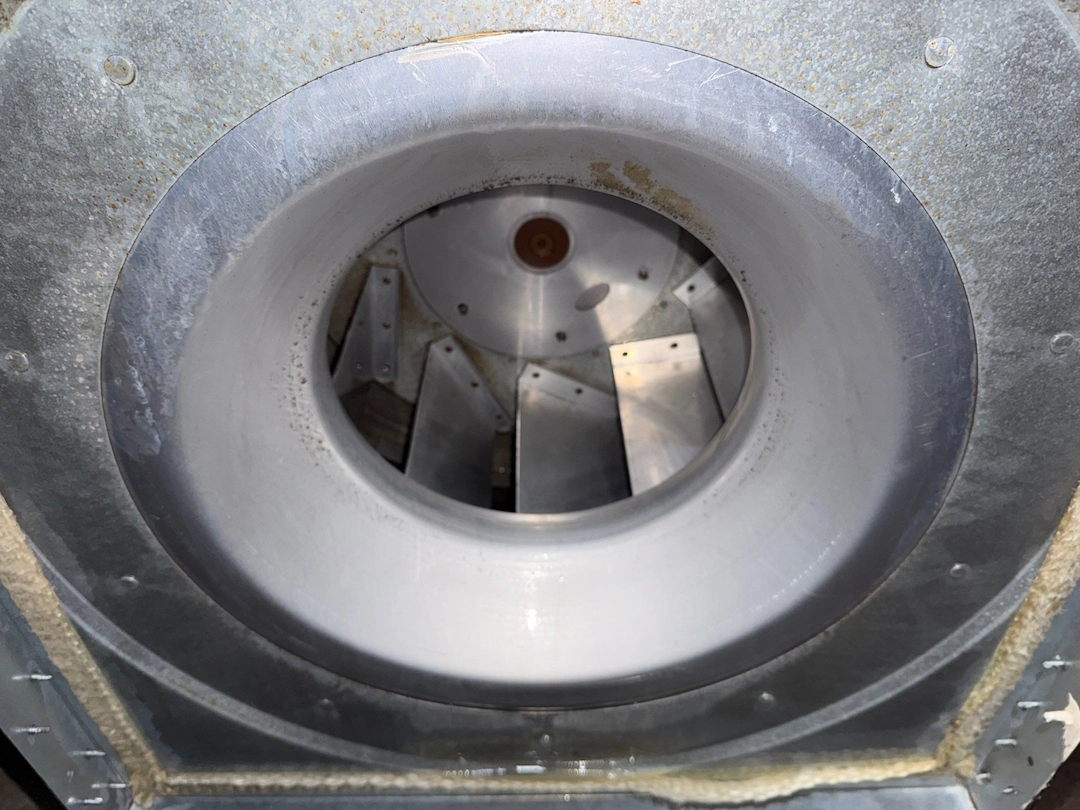
Finally, do not skip the annual inspection. A qualified technician should check the hood suppression system, test the fire damper, and verify that the exhaust fan is operating correctly. They should also look for signs of backflow, where air from the exhaust system leaks back into the kitchen, carrying grease and odor. An annual inspection is not just a requirement. It is a chance to catch small problems before they become big ones.
Commercial kitchen fire safety is not complicated, but it is demanding. It requires consistent attention, honest record-keeping, and a willingness to spend money on prevention rather than repairs. The kitchens that get it right are the ones that treat fire safety as part of their daily routine, not as an annual event. They understand that a clean exhaust system is not just about passing an inspection. It is about protecting their staff, their customers, and their livelihood.